

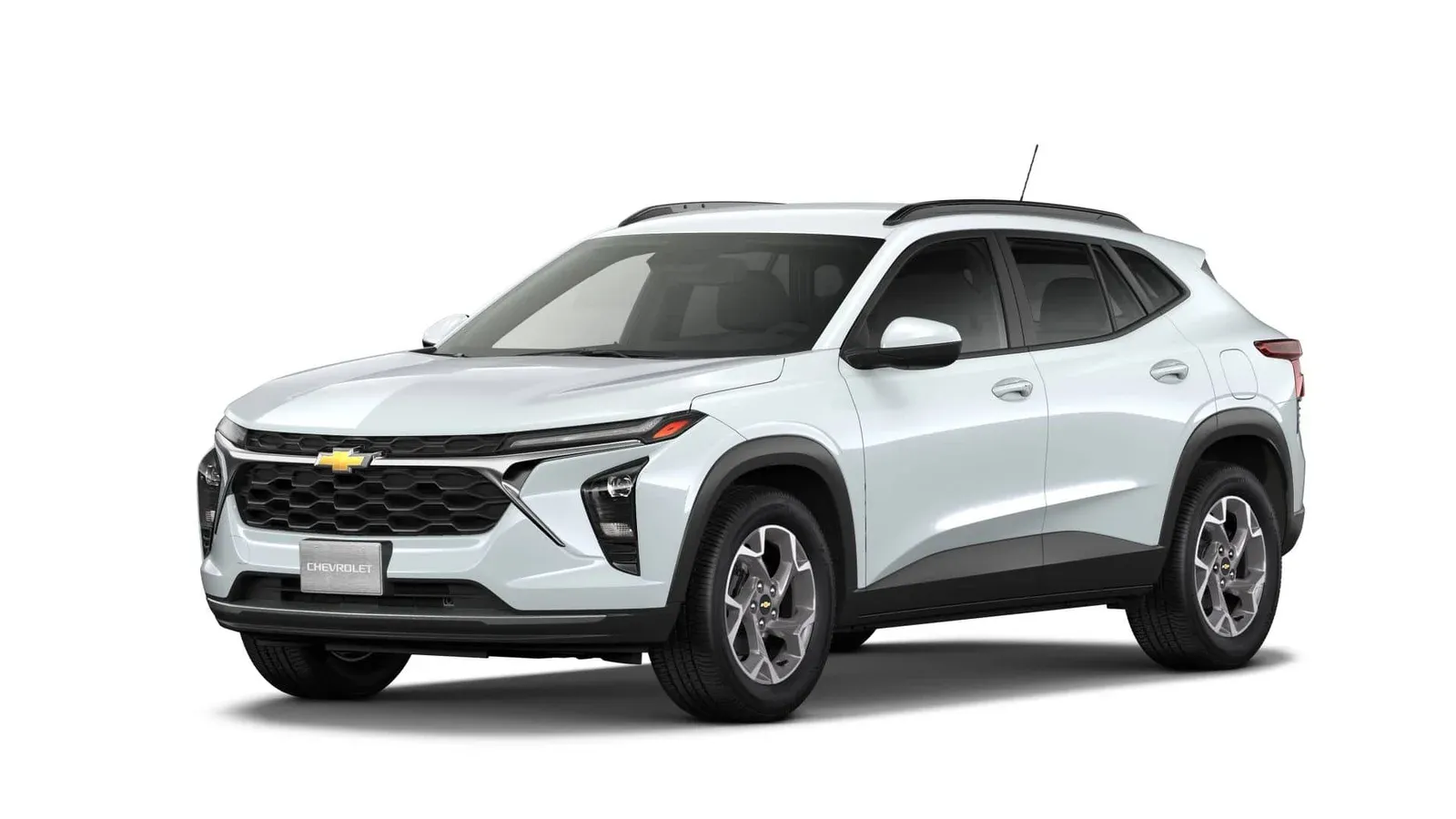
Chevrolet Equinox For Sale Near Avon
Chevrolet Equinox for Sale Near Avon: New and Used Chevrolet Vehicles
By Serpentini Chevrolet Of Westlake Editorial Team An on-page SEO checklist covers title tags, header structure, meta descriptions, internal linking, image alt text, URL formatting, content quality, and keyword placement. We treat these 20 core elements as controllable ranking factors, unlike off-page link building. Completing each item strengthens visibility in traditional search results and AI-generated answers alike.
Key Takeaways
- On-page SEO optimization helps content rank higher in both traditional search engines and agentic AI search tools.
- A 20-point on-page SEO checklist provides the foundation for improving website search engine rankings significantly.
- On-page and off-page SEO work interdependently; missing either one severely reduces your website's ranking chances.
- Optimized web pages rank higher than unoptimized content, regardless of content quality or industry expertise.
What is on-page SEO and why does it matter?
On-page SEO is the process of optimizing individual web pages to rank higher in search engines. This discipline applies optimization techniques to both the visible content and the coded structure of a webpage. Without strong on-page signals, even the best content remains invisible to potential customers.
The critical advantage of on-page SEO lies in control. Off-page SEO depends on external link-building strategies where results are not always in our hands. On-page SEO, however, remains entirely under our control. We decide the title tags, the heading structure, the content quality, and the internal linking. This control makes on-page SEO the foundation stone upon which a website must be constructed for better search engine ranking.
Why does on-page SEO matter for modern search?
On-page SEO practices now improve visibility in agentic search, where AI tools search the web and generate curated answers. These systems need structure, clarity, and topical signals to extract and cite content. A well-optimized page serves both traditional search engines and AI-driven discovery.
| Factor | On-Page SEO | Off-Page SEO |
|---|---|---|
| Control | Full control over implementation | Limited control; depends on external sites |
| Cost | Time and content investment | Often requires outreach or paid links |
| Timeline | Results compound over months | Results fluctuate with link quality |
| Risk | Low — changes are reversible | High — bad links can trigger penalties |
Without on-page optimization, we lose the ability to tell search engines what our pages mean. That loss translates directly into lower rankings, fewer impressions, and missed opportunities to connect with buyers searching for a Chevrolet Equinox For Sale Near Avon.
How do title tags and meta descriptions affect rankings?
Title tags and meta descriptions directly influence search visibility by providing search engines with clear signals about page content. These two elements function as both visible copy for users and coded instructions for algorithms. Without descriptive title tags, search engines struggle to match a page with relevant queries, and users skip past results that lack a compelling preview. Our team treats these foundational elements as essential to any effective on-page SEO checklist.
What makes a title tag descriptive?
A descriptive title tag summarizes the page's core topic in 50-60 characters while placing the primary keyword near the front. This practice ensures the tag appears correctly in search results and gives both Google and human readers immediate context. For example, a title tag for a vehicle page should include the model name, trim level, and location. Not generic phrases like "Cars for Sale." This clarity improves click-through rates because users see exactly what the page offers.
Meta descriptions, while not a direct ranking factor, drive user engagement. These 150-160 character snippets appear below the title in search results. When written to highlight key benefits or answer a searcher's implicit question, they increase the likelihood of a click. A weak or missing meta description leaves the result looking incomplete, which reduces organic traffic.
How does this connect to user-friendly optimization?
An effective on-page SEO checklist makes a website both Google-friendly and user-friendly. Title tags and meta descriptions serve both purposes simultaneously. They guide algorithms to understand page relevance while helping real people decide whether to visit the page. This dual function means the work of writing descriptive title tags. Persuasive meta descriptions directly improves chances of being surfaced in search results.
What role do headings and content structure play?
Clear headings and logical content structure serve as the backbone of effective on-page SEO. Search engines rely on these organizational signals to interpret what a page covers and how its information flows. Without proper heading hierarchy, even well-researched content struggles to rank because algorithms cannot map topics to user queries. This structural clarity matters more in as AI-powered search tools extract and cite content directly from well-organized pages.
How do headings help search engines understand content?
Using descriptive headings is a fundamental on-page SEO technique that directly improves search visibility. When we structure a page with H1, H2, and H3 tags, we create a machine-readable outline of the content. Search engines use this outline to match our page against user search intent. For example, a page about the Chevrolet Equinox For Sale Near Avon benefits from headings that break down inventory details, pricing tiers, and financing options. This structure signals relevance for both traditional search results and AI-generated answers.
Why does content structure matter for AI search systems?
Modern SEO requires content that serves both human readers and AI extraction tools. On-page SEO supports agentic search optimization by giving AI systems the structure, clarity, and topical signals they need to extract and cite content. When we organize information under clear headings, we increase the probability that an AI assistant will pull our page as a source for user queries. This dual-purpose approach — writing for people and structuring for machines — creates a competitive advantage.
| Structural Element | Traditional SEO Benefit | AI Search Benefit |
|---|---|---|
| Descriptive H2 headings | Helps keyword relevance scoring | Enables topic extraction for citations |
| Logical content flow | Improves user engagement metrics | Supports intent matching |
| Hierarchical H3 subheadings | Increases featured snippet potential | Provides granular answer surfaces |
Modern SEO helps marketers focus on different types of search intent and user needs, including AI-powered search results. By structuring content around clear headings, we address informational, navigational, and transactional queries within a single page. This approach ensures our content remains discoverable regardless of how users — or their AI assistants — search for information.
How does keyword placement impact search visibility?
Keyword placement directly determines whether search engines and AI systems can identify and cite our content. Placing keywords naturally in content improves chances of being cited by search engines. This applies to both the visible text customers read and the coded elements search engines scan. Without strategic placement, even well-written content remains invisible to potential buyers searching for a Chevrolet Equinox For Sale Near Avon.
What parts of a page require keyword optimization?
On-page SEO applies to both the visible and coded parts of a webpage. The visible elements include headings, body paragraphs, and image alt text. The coded elements include title tags, meta descriptions, and structured data markup. Both layers work together to signal relevance to search algorithms.
Search engine optimization is a complex ecosystem with diverse page factors and practices to consider. No single placement guarantees rankings. A coordinated approach across multiple page elements produces the strongest visibility results.
| Page Element | Keyword Role | Impact on Visibility |
|---|---|---|
| Title Tag | Primary relevance signal | Highest weight in ranking algorithms |
| H1 Heading | Content topic declaration | Strong topical signal for AI citation |
| Body Content | Natural contextual usage | Supports semantic understanding |
| Meta Description | Click-through rate driver | Indirect ranking influence |
| Image Alt Text | Accessibility + context | Additional relevance signal |
How does keyword placement affect AI search results?
AI-powered search tools extract content from pages with clear keyword signals. Natural placement within descriptive headings and early body paragraphs increases the likelihood of being surfaced in AI-generated answers. Pages that bury keywords in low-visibility areas lose this citation opportunity entirely.
What are the essential technical on-page elements?
A complete on-page SEO checklist includes technical elements that improve visibility in both traditional and agentic search. These elements form the structural foundation that search engines use to understand and rank individual web pages. Without them, even the strongest content struggles to reach its intended audience.
The stakes are clear. On-page and off-page SEO are interdependent, and missing either one leaves a website's ranking potential severely diminished. Off-page efforts like link building often fall outside our direct control. On-page optimization, however, remains entirely within our hands. Which makes mastering these technical elements our most reliable path to higher rankings.
How do technical elements support search visibility?
Technical on-page elements give search engines the clarity they need to match content with user intent. These optimization techniques help individual web pages rank higher and attract customers. We can produce the best content in our industry. Without proper on-page structure, that content remains invisible to the people searching for it.
The essential technical elements break down into three core categories:
- Crawlability signals — clean URL structures, logical site architecture, and internal linking that guide search engine bots through our pages
- Indexation markers — title tags, meta descriptions, and header hierarchy that tell search engines what each page covers
- Performance indicators — page speed, mobile responsiveness, and structured data that improve both user experience and search interpretation
Each element serves a dual purpose. These technical components help traditional search engines parse our pages while simultaneously giving AI systems the structure they need to extract and cite our content. A page that ranks well in Google today also positions itself for visibility in agentic search tomorrow.
Why does the interdependence of on-page and off-page matter?
On-page SEO acts as the foundation stone for our website's construction. Search engines evaluate both on-page and off-page signals together, and a weakness in either area caps our overall ranking potential. Strong technical elements amplify the value of our off-page authority. Poor on-page structure wastes the equity our link-building efforts generate. We treat both as one unified system rather than separate checklists.
How can you optimize for user experience and intent?
Optimizing for user experience and intent requires aligning every page element with what the searcher actually needs. Modern SEO helps marketers focus on different types of search intent and user needs, including AI-powered search results. UX signals, accessibility, and content structure all shape rankings. Truly effective SEO provides value to audiences, not just ticks technical boxes.
What role does search intent play in content structure?
Search intent determines how we organize information on the page. A user searching for "Chevrolet Equinox For Sale Near Avon" expects inventory details, pricing, and availability — not a history of the model line. We structure content to match that intent immediately. Informational queries require clear explanations. Transactional queries demand direct paths to purchase.
How do UX signals affect rankings?
UX signals tell search engines whether visitors find our pages useful. Page load speed, mobile responsiveness, and intuitive navigation all contribute to rankings. A slow page frustrates users and increases bounce rates. We prioritize these signals because they directly impact visibility.
- Core Web Vitals measure loading performance, interactivity, and visual stability
- Accessibility features like proper heading hierarchy and alt text improve both user experience and crawlability
- Content structure with clear headings and short paragraphs helps users scan quickly
Each element serves a dual purpose: satisfying user intent while signaling relevance to search engines. When we optimize for the person searching, rankings follow naturally.
What is a practical on-page SEO checklist?
A practical on-page SEO checklist covers both the essentials. The newer ranking factors that actually improve visibility today. Our checklist expands into areas most guides ignore, including AI search behavior, entity recognition, UX signals, accessibility standards, and content structure. Without these elements, your content loses ground in both traditional search results and AI-generated answers.
What newer ranking factors does the checklist include?
The checklist addresses five critical areas that shape rankings:
- AI search optimization — structuring content so AI systems extract and cite your information accurately
- Entity signals — helping search engines identify people, places, and concepts within your content
- UX signals — page speed, mobile responsiveness, and interaction metrics that influence rankings
- Accessibility compliance — ensuring content works for all users, which search engines increasingly reward
- Content structure — clear headings, logical flow, and semantic HTML that both users and crawlers understand
How can we quickly assess our current on-page performance?
A quick website review provides a performance check covering more than 20 checklist topics. Tools like WooRank generate reports that go beyond the basic checklist items, giving us an overall performance snapshot. This review identifies gaps in our current optimization before we invest time in deeper fixes.
How does on-page SEO connect to local search results?
On-page SEO connects directly to local search results by giving search engines the structured signals they need to match a business with nearby customers. Serpentini Chevrolet Of Westlake is located in Westlake, Ohio, US, and our content must clearly communicate that location to rank for queries like Chevrolet Equinox For Sale Near Avon. Without these signals, a dealership loses visibility to competitors who optimize their pages for local intent.
What specific on-page elements matter most for local visibility?
Three on-page components carry the most weight for local search performance:
- Location-specific keywords in page titles, headings, and body text signal geographic relevance to search engines.
- Structured data markup (schema.org) for business name, address, and phone number creates machine-readable location signals.
- Localized content that references surrounding communities, landmarks, and service areas builds topical authority for regional queries.
Each element works together. A page optimized for "Chevrolet Equinox For Sale Near Avon" must include Avon as a named location, not just Westlake. Search engines cross-reference these signals against user location data to determine which results to surface.
How does agentic search change local SEO requirements?
Agentic search — where AI tools generate curated answers from web sources — amplifies the importance of on-page structure. Our dealership’s content must provide the clarity and topical signals that AI systems extract and cite. A page with clear location markers, complete business information, and well-organized vehicle details becomes a reliable source for AI-generated local recommendations. Pages missing these signals lose placement in both traditional search results. AI-curated answers, costing dealerships visibility with customers actively searching nearby.
FAQ
What does an on-page SEO checklist cover?
It covers title tags, header structure, meta descriptions, internal linking, image alt text, URL formatting, content quality, and keyword placement. 20 core elements treated as controllable ranking factors.
Why does on-page SEO matter more than off-page SEO?
On-page SEO stays entirely under a website owner's control, including title tags, heading structure, content quality, and internal linking. Off-page SEO depends on external link-building strategies with unpredictable results.
How long should a title tag be?
A descriptive title tag summarizes the page's core topic in 50-60 characters, placing the primary keyword near the front so it displays correctly and gives immediate context to readers and search engines.
Facts
- Serpentini Chevrolet Of Westlake is located in Westlake, Ohio, US.
Our Local Showroom
OH 44145, USA